

August 12, 2021
Tax planning can help any business save money on taxes and minimize errors in tax filings. Here are some strategies to start tax planning.
Tax planning can help any business save money on taxes and minimize errors in tax filings. Here are some strategies to start tax planning.

Since the pandemic, the IRS has temporarily changed the tax-deductible amount allowed for some business meals to encourage increased sales at restaurants

Summer Reminder: Safe Harbor Rules for Rental Real Estate

Recent updates to 1031-exchange regulations provide new details on the definition of real property and incidental property and provide new means for testing fixtures involved in like-kind property exchanges.

Avoid these top audit triggers and make sure your business is following best practices to avoid an IRS audit this year.
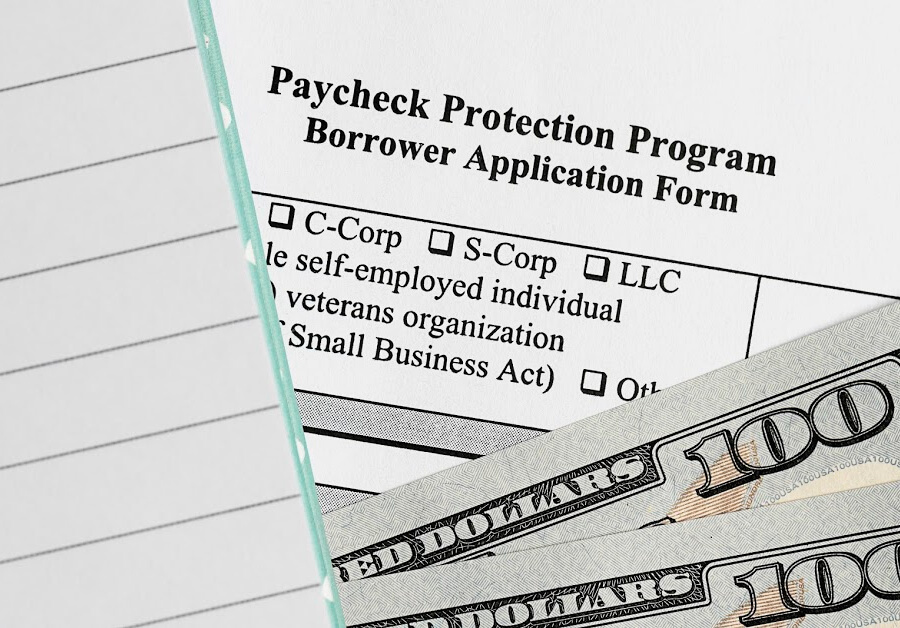
A measure to extend the Paycheck Protection Program (PPP) application deadline from March 31, 2021, to May 31, 2021, has passed the U.S. House of Representatives and the Senate. It now heads to President Biden’s desk for signature which he is expected to do promptly.

The employee retention tax credit (ERTC) is intended to provide liquidity to employers during the pandemic and was greatly expanded in the Consolidated Appropriations Act of 2021 thanks to Sections 206 and 207 of the Taxpayer Certainty and Disaster Relief Act portion. It opens the doors to more businesses facing significant financial hardship to qualify for and receive this credit.

Two new interim final rules for the Paycheck Protection Program (PPP) have been released from the Small Business Administration (SBA) and Treasury in response to the changes and second round of funding enacted by the relief portion of the Consolidated Appropriations Act signed at the end of December.

The Small Business Administration (SBA) and Treasury released an updated Paycheck Protection Program (PPP) FAQ on Aug. 4 in an effort to address PPP loan forgiveness issues that have arisen as borrowers begin to complete their applications. The 23 FAQs address various aspects of PPP forgiveness including general loan forgiveness, payroll costs, non-payroll costs, and loan forgiveness reductions. Here is a brief overview of some of the most notable clarified guidance.

In the midst of the uncertainty and instability that the COVID-19 pandemic has created for businesses and individuals, some relief is available for taxpayers in the form of deductible losses thanks to the preexisting Internal Revenue Code (IRC) Section 165(i).