

July 8, 2021
The IRS recently released information on how to check eligibility, opt-in for non-filers, and opt-out of the advance child tax credit payments as part of the ARP.
The IRS recently released information on how to check eligibility, opt-in for non-filers, and opt-out of the advance child tax credit payments as part of the ARP.

Since the pandemic, the IRS has temporarily changed the tax-deductible amount allowed for some business meals to encourage increased sales at restaurants

Recent updates to 1031-exchange regulations provide new details on the definition of real property and incidental property and provide new means for testing fixtures involved in like-kind property exchanges.
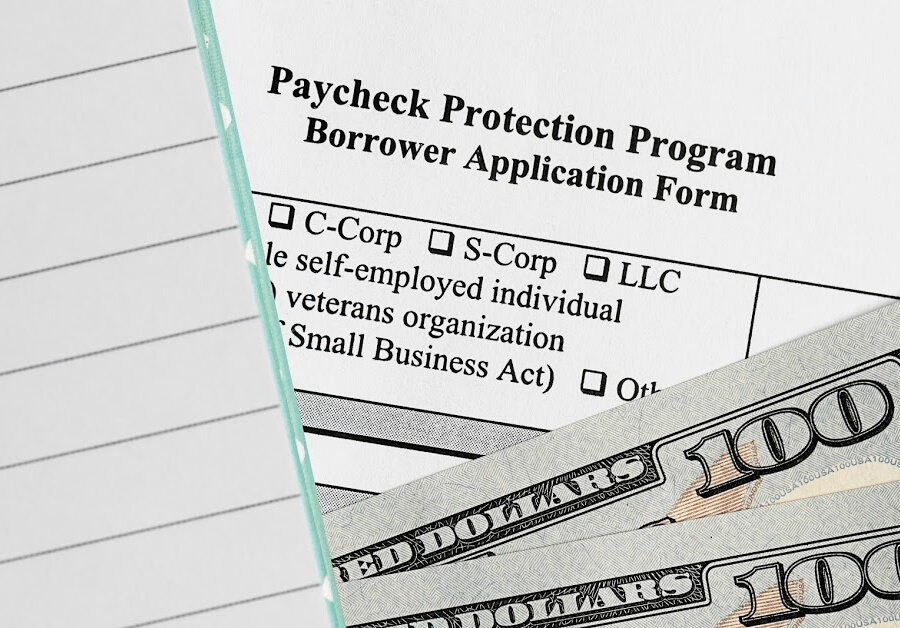
A measure to extend the Paycheck Protection Program (PPP) application deadline from March 31, 2021, to May 31, 2021, has passed the U.S. House of Representatives and the Senate. It now heads to President Biden’s desk for signature which he is expected to do promptly.

The American Rescue Plan Act (ARPA) of 2021 passed Congress and President Biden signed the bill into law on March 12, 2021. The ARPA approves $1.9 trillion in spending for individuals, businesses, governments, and certain industries impacted by the COVID-19 pandemic. The third Act in a year, the ARPA approves additional economic impact payments for individuals; the extension of federal unemployment benefits; additional funds for Paycheck Protection Program (PPP) Loans, and Economic Injury Disaster Loans (EIDL) for hard-hit small businesses; and grants for food and beverage establishments. Here are the key individual and business provisions in the bill.

The IRS has released additional guidance in Notice 2021-20 on the Employee Retention Tax Credit (ERC) with clarifications on the retroactive changes for expanded eligibility applicable to 2020. Employers who received a Paycheck Protection Program (PPP) loan have been waiting on guidance on claiming the credit in combination with forgiveness of their loan. The provisions outlined here apply to retroactive claims for 2020 as well as providing a plan for those yet to seek forgiveness.

The U.S. Small Business Administration (SBA) and Treasury has announced that lenders with $1 billion or less in assets will be able to open applications for the next round of Paycheck Protection Program (PPP) funding starting Friday, Jan. 15 at 9 a.m. ET. Both first and second-draw loans will be able to apply at that time. For large lenders, the application opens on Tuesday, Jan. 19 for first and second-draw loans.

The U.S. House of Representatives and U.S. Senate passed, and the President has signed, the Coronavirus Response & Relief Supplemental Appropriations Act. The agreement comes after weeks of negotiations and two funding extensions to keep Congress open until a bill was passed with a $1.4 trillion government-wide funding plan. The $900 billion coronavirus relief portion includes another round of Paycheck Protection Program (PPP) funding, extended unemployment benefits, and direct payments to taxpayers. Here’s an overview of the key provisions in the bill.

Wrap up the crazy year that is 2020 on the right foot with your business by reviewing your tax planning and implementing strategies to optimize opportunities. Provisions of the Tax Cuts and Jobs Act (TCJA) are still in play. For those involved in closely held entities, carefully pairing your business strategy with your personal strategy is essential this season.

On Nov. 18, the IRS and Treasury issued Revenue Ruling 2020-27 which provides long-awaited guidance on the tax treatment of expenses related to Paycheck Protection Program (PPP) loans. The guidance states that the expenses listed in section 1106(b) of the CARES Act that would otherwise be deductible will not be allowed in the taxable year that the expenses were paid or incurred and covered under a PPP loan that is forgiven or expected to be forgiven.